What Happens When a Laser Engraver Fume Extractor Falls Behind?
Introduction
I once sat in a small Nairobi workshop where the air felt heavy and the chatter quieted as someone switched on an old extractor; we all coughed a little and moved our chairs back. The second sentence here matters: a tired, poorly maintained laser engraver fume extractor can fill a room with fine particulates and nasty VOCs in minutes. Recent field checks I’ve seen show particulate spikes of 5–10 times normal levels during engraving sessions (and yes, that number surprised me). So what do you do when the tool that is meant to protect you becomes the weak link? This leads us into the real problem: are we relying on habits rather than facts — sawa? Let us move on to why old solutions fail and what that costs us.
Why Traditional Air Cleaning Falls Short
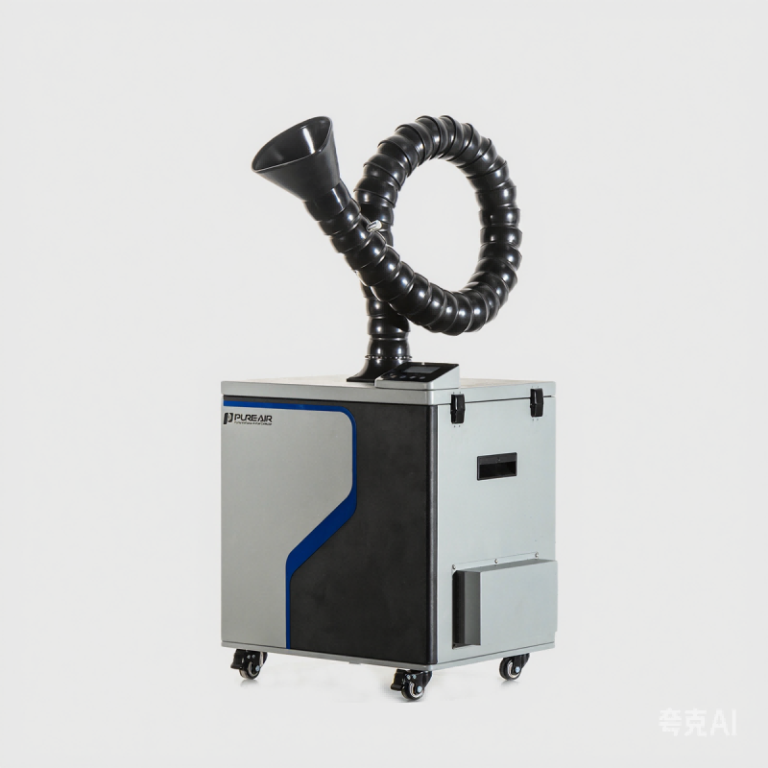
I want to be blunt: many small shops still use basic fans or cheap filters and call it a day. When I look at systems, I often recommend a proper laser engraver air purifier because it addresses several failure points at once. Old setups commonly suffer from poor filter efficiency, clogged ducting and mismatched airflow rate — which means even a nominal fan won’t capture all the fumes. In practice that shows up as smoky windows, irritated eyes, and, over time, chronic complaints. Look, it’s simpler than you think: a filter rated for particle capture but with no activated carbon will not remove odours or VOCs. In my experience, shops that ignore filter media (HEPA vs. low-efficiency pads) pay twice — once in comfort and again in health.
 How do old systems actually fail?
Let me break it down: first, poor maintenance. Filters get saturated and pressure drops, reducing capture efficiency. Second, incorrect fan sizing means low CFM at the hood so fumes escape into the room. Third, lack of monitoring — no VOC sensors or differential pressure gauges — keeps owners blind to performance loss. These are not exotic problems; they are simple engineering gaps. I’ve seen pieces of ducting collapse or bends that wreck airflow. We can fix most of these with modest upgrades — new impellers, correct power converters, better sealing — but only when people accept the issue exists.
Looking Ahead: Smarter Extraction and What to Inspect
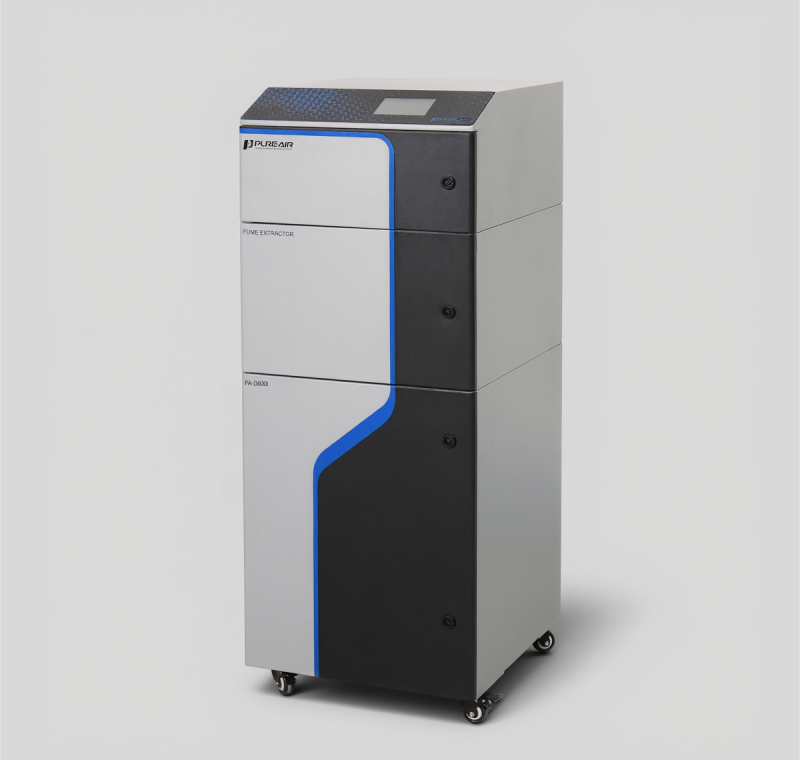
Now I want to look forward. New systems no longer rely on brute force alone; they use smarter controls and better filter stacking. A modern laser engraver air purifier will combine a pre-filter, HEPA stage, and activated carbon, plus sensors that watch for VOCs and differential pressure. The principle is clear: capture large particles early, protect the HEPA, then adsorb gases. That layering extends filter life and keeps emissions down. I’ve watched shops cut maintenance time by nearly half after switching. — funny how that works, right?
What I find promising is the move toward modular units with easy filter swaps and clear maintenance indicators. These reduce human error and speed up service calls. Also, integrated fan controllers that match speed to load mean less noise and lower energy bill. For those of us advising makers and small manufacturers, the choice is practical: pick systems with known filter ratings, replace schedules, and simple diagnostics. Below I give three quick metrics we use when evaluating solutions.
What to measure when choosing a system?
First: Filter efficiency — check particle capture at 0.3 microns and carbon adsorption capacity for VOCs. Second: Airflow (CFM) at the hood — not just fan specs on paper. Third: Monitoring features — VOC sensors, pressure gauges, or simple alarms. These three tell you if a unit will protect staff and keep your workspace comfortable. I would also add serviceability as a tie-breaker; if you can’t change a filter quickly, reality will win and the system will lapse.
In closing, I’ll say this plainly: I worry when I see complacency. We owe it to our teams to pick systems that actually work. Evaluate with real metrics, insist on proper filter stages, and choose units that make maintenance easy. If you do that, you’ll cut exposure and reduce headaches at the same time. For those exploring reliable options, consider the practical designs from PURE-AIR as one place to start — I’ve seen their gear in action and it performs, quietly and steadily.