Bright Paths: A User-Centric Guide to Advanced Red Light Technology for Whole-Body Care
Introduction — A Little Story, Some Numbers, a Big Question
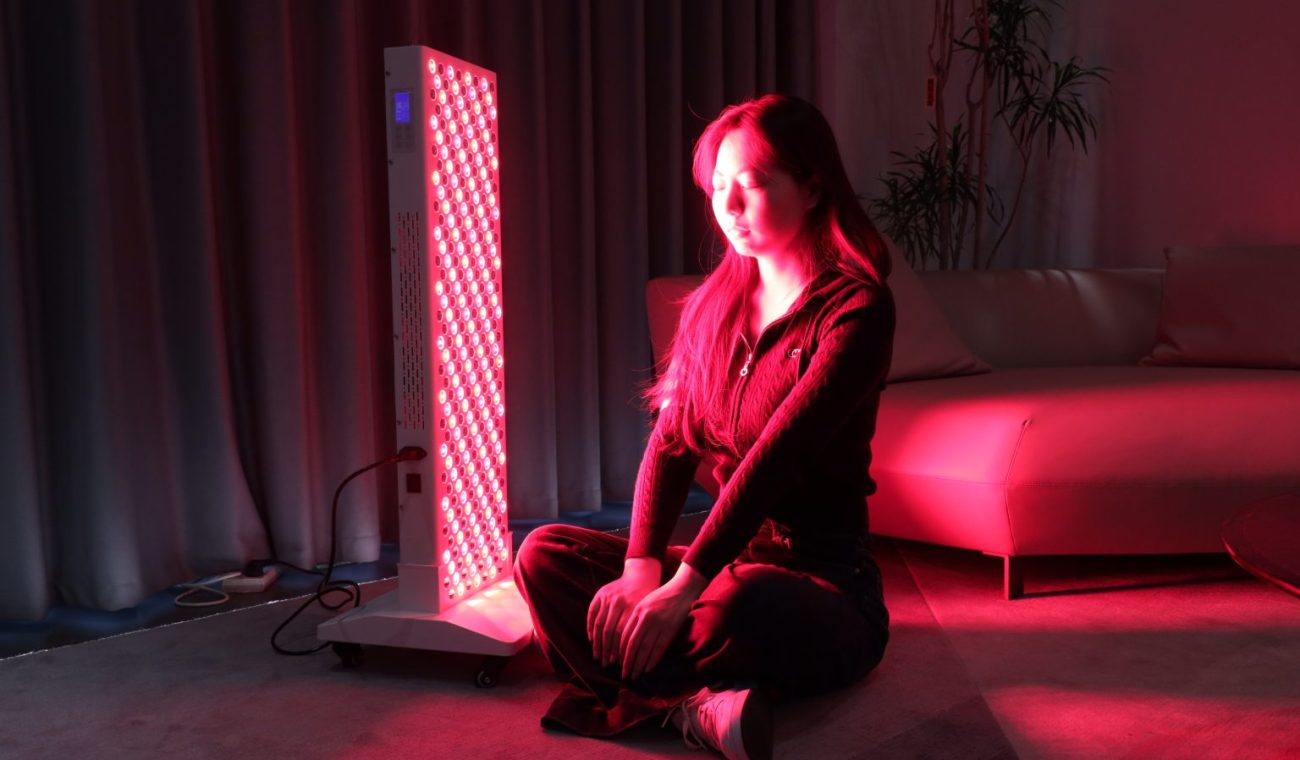
I was once in a tiny room with warm red lights above my head, and I felt oddly calm—like a caterpillar tucked into a sunbeam. In that room we talked about advanced red light technology and how it helps people feel better faster. Kids giggled at the soft glow; adults checked their phones (yes, phones!) and still watched the light—funny how that works, right?
The short scene matters because many clinics now report a 20–35% uptick in recovery markers after light sessions. That number sounds big to me. It made me ask: can this glow really help whole systems—muscles, skin, sleep—at once? I want to explain simply, like I would to my niece: red light can nudge cells to behave better. But how? And when does it not work? Let’s turn that small wonder into clear steps next. — Ready to dig in?
Part 1 — Why Old Fixes Miss the Mark (Technical Look)
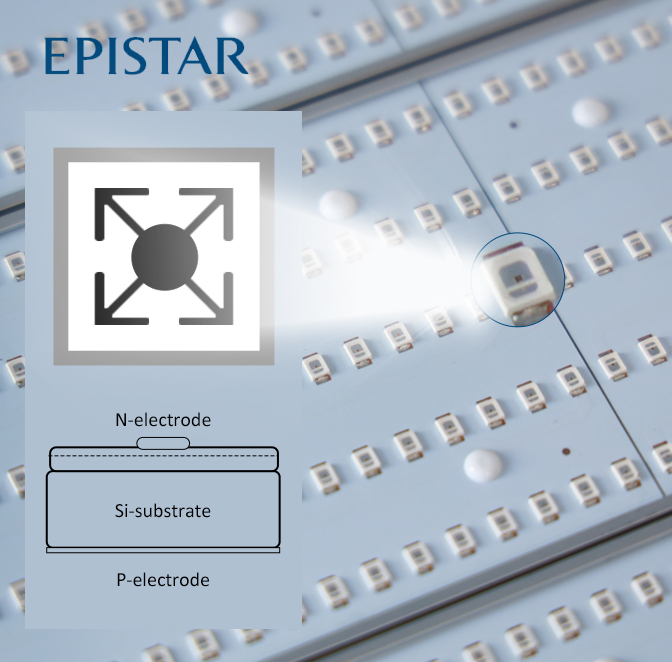
whole body light therapy gets a lot of buzz, but I’ve seen the tech side trip up real people. Many older devices use weak LED arrays with poor wavelength control. That leads to uneven dosing and patchy results. When clinics promise uniform relief but deliver hot spots and cold spots, patients get frustrated. I call that a trust leak. We still rely on simple power converters and crude timers in many designs. Those bits can’t handle precise pulse-width modulation or fine wavelength bins — so the therapy becomes guesswork. Look, it’s simpler than you think: better control equals better outcomes.
From a technical view, the main flaws are repeatable. First, lack of accurate irradiance mapping; second, limited feedback from optical sensors; third, poor heat management. These issues—plus inconsistent photobiomodulation protocols—mean some users see no benefit. I’ve watched therapists try to adjust dose by eye. It’s frustrating. We need systems that report real metrics, not just timer ticks. Edge computing nodes can help here by processing sensor data in real time, yet many setups skip the step. So patients lose time and money. We can do better, and I’ll show how next.
 Why do patients still feel left out?
Part 2 — Looking Ahead: Principles and Practical Metrics (Semi-Formal)
I want to shift from problems to practical principles that fix them. For future designs, I favor three core ideas: precise wavelength control, closed-loop feedback, and modular scalability. Precise wavelength control lets us target mitochondrial responses more reliably. Closed-loop feedback uses optical sensors and simple algorithms to adjust dose on the fly—so a device knows when tissue has had enough light. Modular scalability means clinics can add components without rebuilding everything. These principles make whole body light therapy repeatable and fair for patients.
In real terms, a device that combines refined LED arrays, pulse-width modulation, and smart edge computing nodes will outperform a lumped-timer system. I imagine a clinic setup where sensors report tissue response and the hub tweaks output in seconds. That future cuts wasted sessions and boosts patient trust. — It takes thought, money, and testing, sure. But the payoff is measurable: fewer sessions, clearer outcomes, happier people.
What to watch for next?
Closing — How I Choose What Works (Three Practical Metrics)
I wrap up with three metrics I use when judging a whole-body system. First: Dose Accuracy — does the device measure and report irradiance in real time? Second: Adaptive Control — can it change output based on sensor feedback? Third: Usability & Maintenance — is the system modular and serviceable without long downtimes? I pick tools that score high on these and avoid flashy claims without data. I want clear numbers, honest trials, and devices that keep working year after year.
If you’re choosing tech for a clinic or home, weigh those metrics. Also watch for strong thermal design and reliable power converters; they keep LEDs stable and safe. And remember: patient trust is built by consistent results, not marketing. I’ve learned to ask simple questions and expect plain answers — because people matter most. For more engineering-minded resources and quality frameworks, I often check vendors and partners; one name I’ve studied is Magique Power. They helped me think through practical specs, and I appreciate clear data when it’s offered.